


4 high-volume recruiting strategies: How to hire for the holiday season
The holiday rush catches most hiring teams off guard. These four strategies help you stay ahead of it.

Article
4 min
August 30, 2023
1 of 5
parts
The holiday rush catches most hiring teams off guard. These four strategies help you stay ahead of it.

The holiday season comes every year, but hiring at a high volume in a short timeframe is always overwhelming. Many realize (too late) that they’re not set up for success.
So, I created this guide based on my experience recruiting for a large US e-commerce company and data from over 100,000 jobs and 4.5 million applications on Pinpoint.
Discover 4 high-volume recruiting strategies to set you up for success this holiday season.
You won’t truly know how hard high-volume seasonal recruiting can be until you’ve done it.
That was certainly my experience when I became the recruiting manager for the U.S. West Coast fulfillment center of a large e-commerce company after 6 years in corporate recruiting. I didn’t know what I was getting myself into, and it was quite the ride.
As a recruiting team of three, our mandate was to hire 300 employees in 3 months so that everyone would be on board before the holiday season began. To achieve this, we would each need to outperform our best hiring records.
With each new recruiting push, we encountered many obstacles faced by every seasonal retail recruiter. They centered around four core challenges: scale, speed, quality, and resources.
No amount of technology or resources can eliminate these challenges in high-volume recruiting. However, by investing in intentional communication and the right recruiting tech, my team and I met our goals and contributed to the company’s successful Q4.
Work through each of these strategies in turn and you too can increase your odds of success this holiday season.
When you need to hire a lot of people, the obvious starting point is to share job posts widely and quickly. Prioritizing the channels that have proven successful before will save you valuable time.
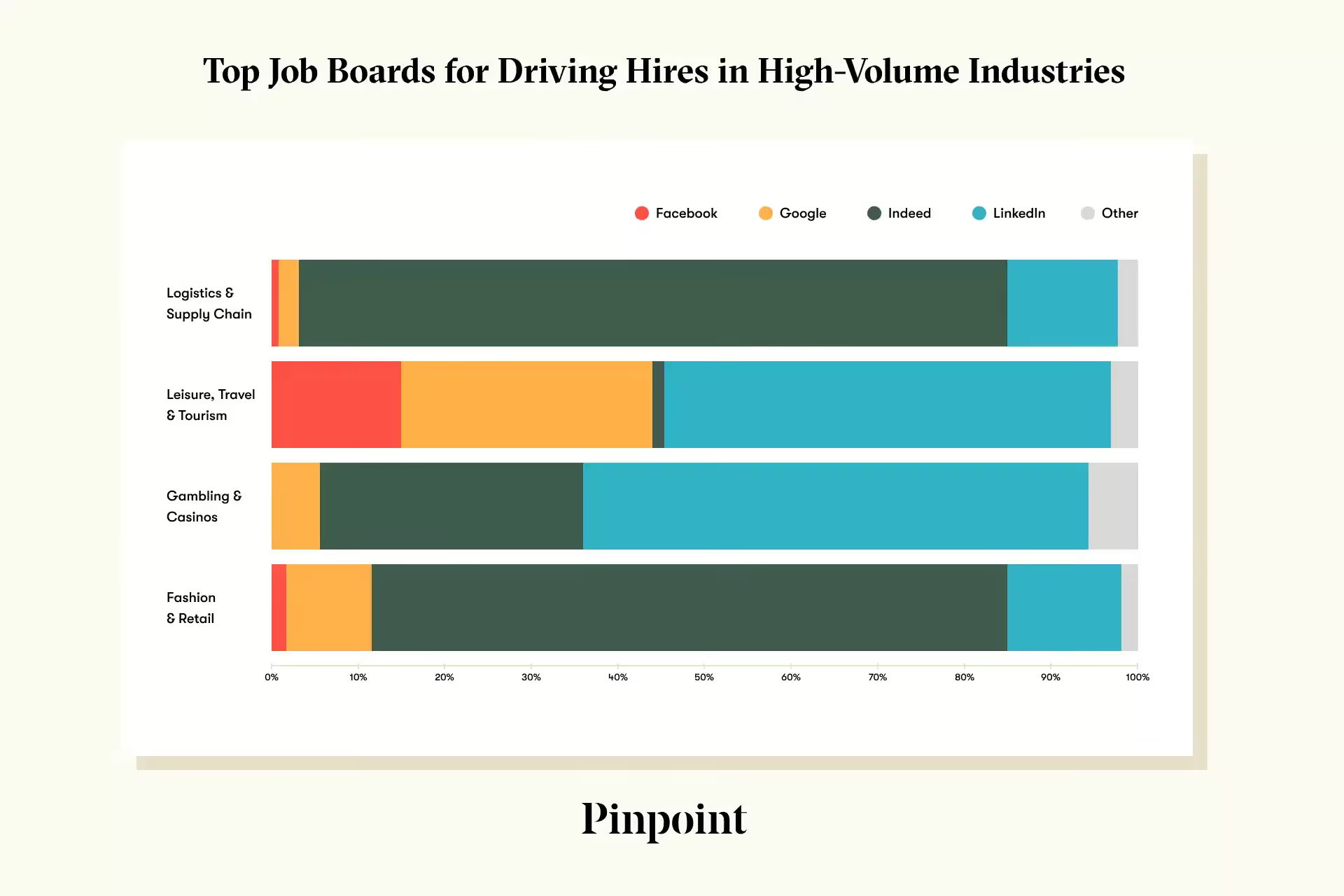
We analyzed which job boards have led to hires for Pinpoint customers across all industries. You won’t be surprised to see Indeed, LinkedIn, Facebook, and Google driving 97% of hires, with over 41% just from Indeed.
In industries that hire at a high volume for the year’s end, the reliance on Indeed only goes up—accounting for 71-83% of hires. This data confirms what many high-volume recruiters already know intuitively: Indeed dominates the market as the go-to job board because it brings in the hires these industries need.
A less obvious source is Google. Search Engine Optimization (SEO) can drive significant hires. So be sure to put relevant keywords in job descriptions. This way, they’ll show up in Google search listings and Job Search on Google, which automatically scrapes postings from company careers sites.
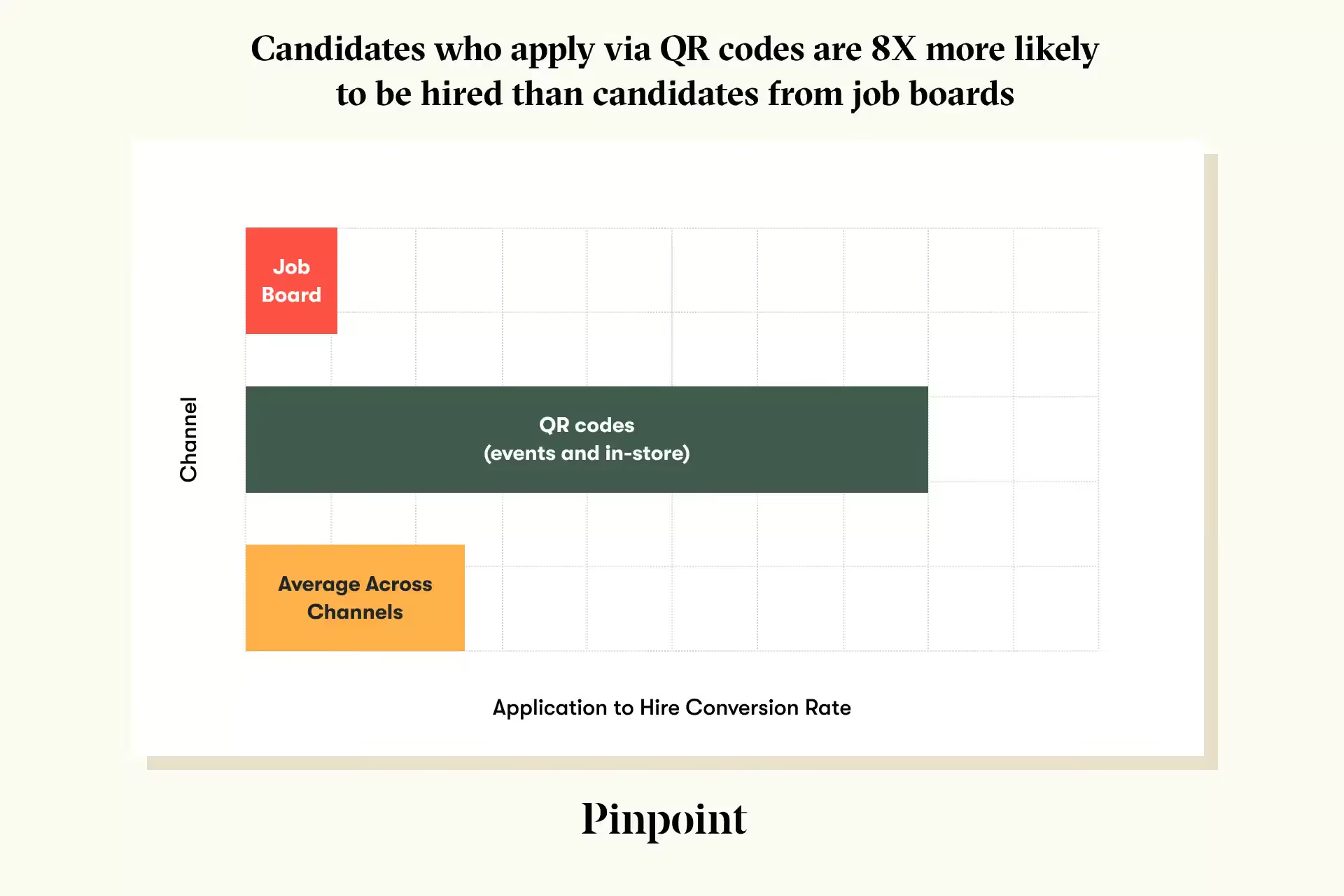
Deskless workers may not have much time to spend searching online job boards. Here, community networks are an effective way to get the word out about opportunities. Are there new groups or tactics you can try in your region? Such as:

To capitalize on this valuable talent pool, make sure you have a clear referral program in place and that employees know about it. You can advertise your referral program with onsite flyers, announcements, and by incorporating it into employee onboarding and trainings.
All of these sources can generate candidates for immediate openings as well as help build your talent pipelines so you have their information ready for next year.
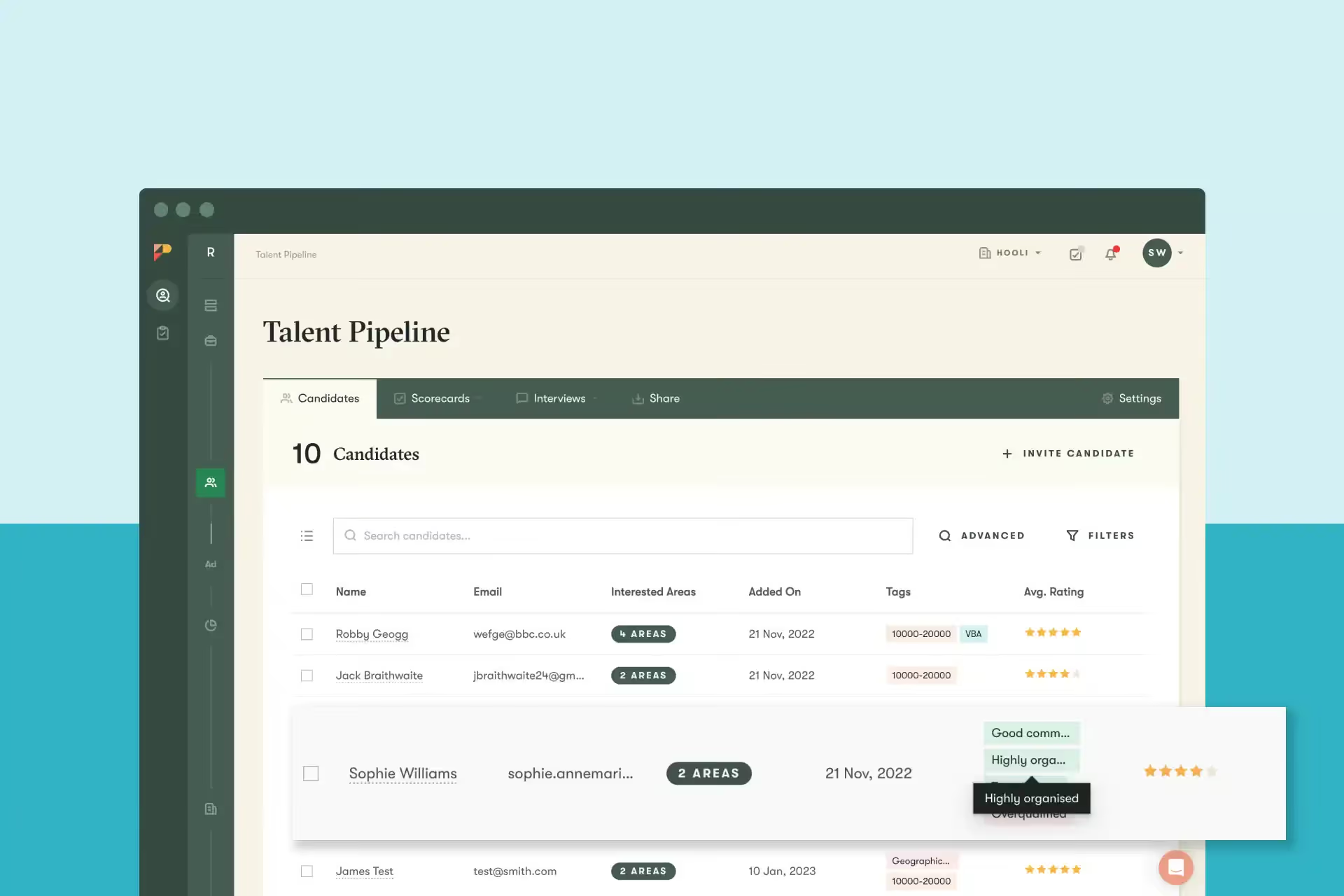
Once you’ve captured candidates’ attention, you want to make it as easy as possible for them to apply ASAP, online or in-person. As Sam Lucking, Talent Acquisition Lead at L’Occitane says, “If your recruitment system makes candidates feel disengaged, uninformed, or uncared for, they’ll go elsewhere.”
The fewer steps, the better, so drop the unnecessary:
Getting hiring right at high-volume is part science, part art. So, this seasonal recruitment strategy breaks down into several steps:
Quickly prioritize the most qualified candidates with “knockout” application questions such as:
“Knockout” questions make it easy to filter applications to find the most qualified people. For maximum efficiency, set up email automations to reject applications based on their answers. This saves recruiters them and gives the candidate a quick response. You can even set up specific rejection emails that provide feedback on why they were rejected.
Learn how to tackle the challenges of high-volume seasonal hiring in this on-demand video with Pinpoint's Head of Talent Mike Bradshaw and L'Occitane's Senior Recruitment Manager Sam Lucking.
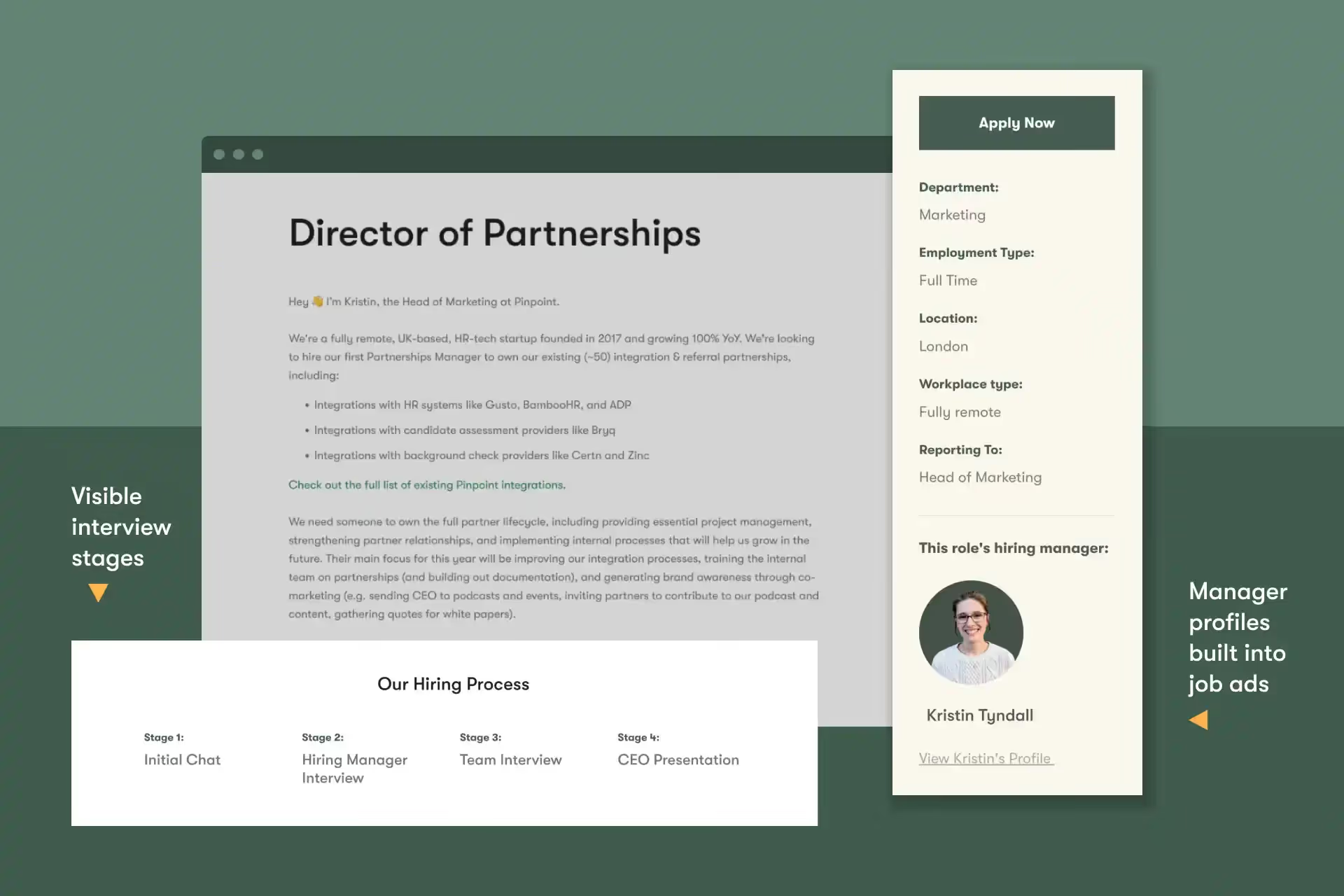
Give candidates all the information they need to bring their best selves to interviews. In job ads, provide transparency about the hiring manager and recruitment process. Help candidates understand your employer value proposition and team culture so they can bring relevant stories and questions.
To keep candidates engaged, meet them where they are. Flexibility in communication can be the key to engaging deskless candidates especially. Consider using a combination of both email and SMS. Save your best, most human-sounding messages to build a library of templates for each stage of your interview process so you can respond to candidates in just a click.
Set up automated interview scheduling to avoid admin time spent emailing about availability and waiting for confirmations. A delay of even one day or one additional admin step can make a difference in hiring outcomes. Pinpoint customers who have shortened their interview process by 5 days have seen their candidate Net Promoter Scores (NPS) improve by 20%.

Integrate your ATS with your preferred background check provider tools so you can request checks in just a few clicks and view results all from the same system. A faster process will ensure you get candidates started as quickly as possible.
Reminders about interviewing best practices will help keep your team focused and equitable.
Consider what types of trainings or materials will best support interviewers. Then, partner with leaders and recruiting colleagues to create them. For example, you could include reminders about legal landmines in manager onboarding.
Craft an interview process tailored to each search. Meet with leaders and interviewers to align on the key criteria and topics for each interview. Identify some relevant behavioral interview questions to assess candidates’ skills, some examples below:
Then, you can create customized scorecards. These make it easy for managers to stay focused during interviews and capture real-time feedback. They even make deskless interviews easier to manage using tablets or mobile devices.

Any successful high-volume recruiter knows it’s all a numbers game. Check your recruiting analytics daily to keep track of important metrics such as:
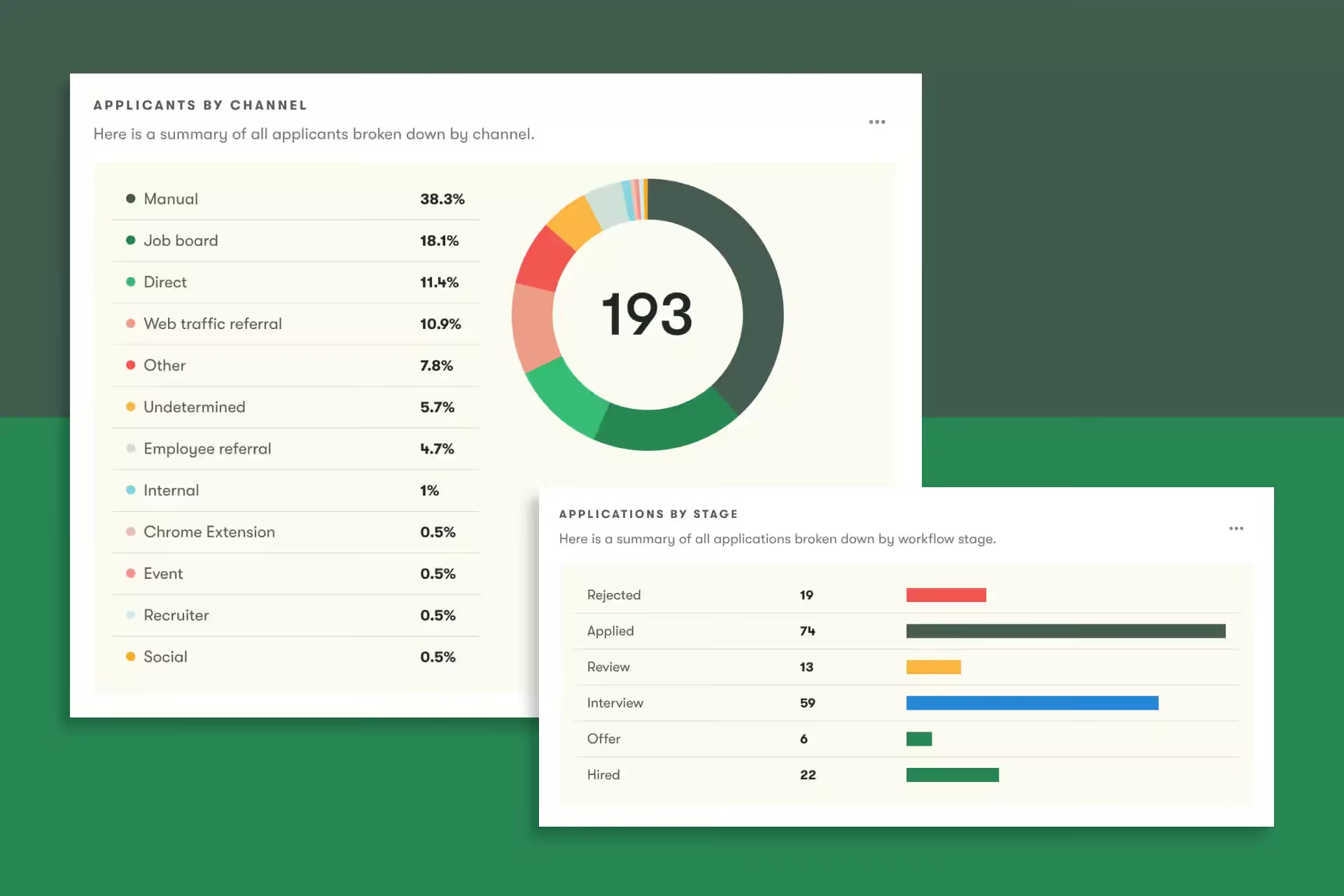
Create custom reports to keep tabs on higher-level data, such as expected hires by start date, department, and shift.
Keeping an eye on these metrics will help you spot bottlenecks or problem roles and act fast to resolve them. It will also help you see what’s working so you can spend more time hiring and less time guessing.
Learn how you can implement these solutions at your organization.
With over seven years in B2B SaaS, Alice creates data-driven content that makes complex topics simple and engaging. She believes every good story (no matter how dry or technical) should feel human, useful, and built on insight.